
When workers think of personal protective equipment (PPEs), they often focus on hard hats, safety glasses, and gloves.
However, leg and foot protection is equally important and should not be overlooked.
As Kenya accelerates its infrastructure development and industrial growth, the demand for proper workplace safety has never been higher. Your feet carry you through 8-12-hour shifts; they deserve protection.
Understanding the Risks: When Are Your Feet in Danger?
Workers can be exposed to leg or foot injuries from various tasks, activities, and workplace conditions.
Understanding these hazards is the first step toward preventing serious injuries that could keep you off work for
weeks or even permanently disable you.
Common Workplace Foot Hazards in Kenya
- Exposure to Hot Substances or Electrical Hazards
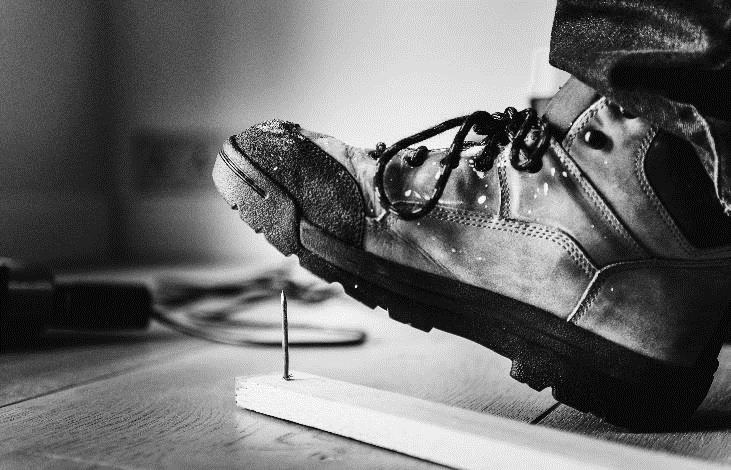
- Walking on Surfaces with Sharp Objects
- Walking on Slippery or Wet Surfaces
- Operating Tools Such as Tampers or Jack Hammers
- Pouring, Washing, or Spraying Chemicals or Materials
- Lifting or Working with Heavy Objects
Every Workplace Is Different: Know Your Requirements
Because every organization, work facility, and job site is unique, there may be different footwear requirements for the work location or the specific task being performed.
A tea picker in Kericho needs different protection compared to a road construction crew in Garissa; because they face agricultural or chemical hazards on soft, slippery terrain. A road construction crew in Garissa faces different hazards, such as penetrating on hard surfaces with heavy machinery. Assembly line workers in an industrial park, work indoors doing repetitive tasks requiring comfort and precision.
Even within the same company, different departments may have varying PPE specifications.
The Two-Way Responsibility
Employers Must:
It’s important that employers clearly communicate the personal protective equipment (PPE) requirements for each role and work area. This includes:
- Conducting thorough hazard assessments of all work areas
- Specifying the exact type of safety footwear required for each job
- Providing written safety policies that workers can reference
- Supplying appropriate safety footwear at no cost to employees (as required by Kenya’s Occupational Safety and Health Act, 2007)
- Training workers on when and how to use safety footwear properly
- Regularly inspecting and replacing worn or damaged footwear
Employees Must:
It’s equally important that employees understand and comply, or ask questions if they need clarification on the PPE specifications. Your responsibilities include:
- Listening carefully during safety briefings and training sessions
- Reading and understanding your company’s PPE policy
- Speaking up immediately if you’re unsure about footwear requirements
- Wearing your safety boots consistently, even when it feels inconvenient
- Reporting damaged or uncomfortable footwear before it fails
- Never assume that “just this once” without proper protection is acceptable
A protected worker is a productive worker. A safe Kenya is a prosperous Kenya